We are having a short break over Christmas. Please click here for any orthodontic emergencies.

We are having a short break over Christmas. Please click here for any orthodontic emergencies.

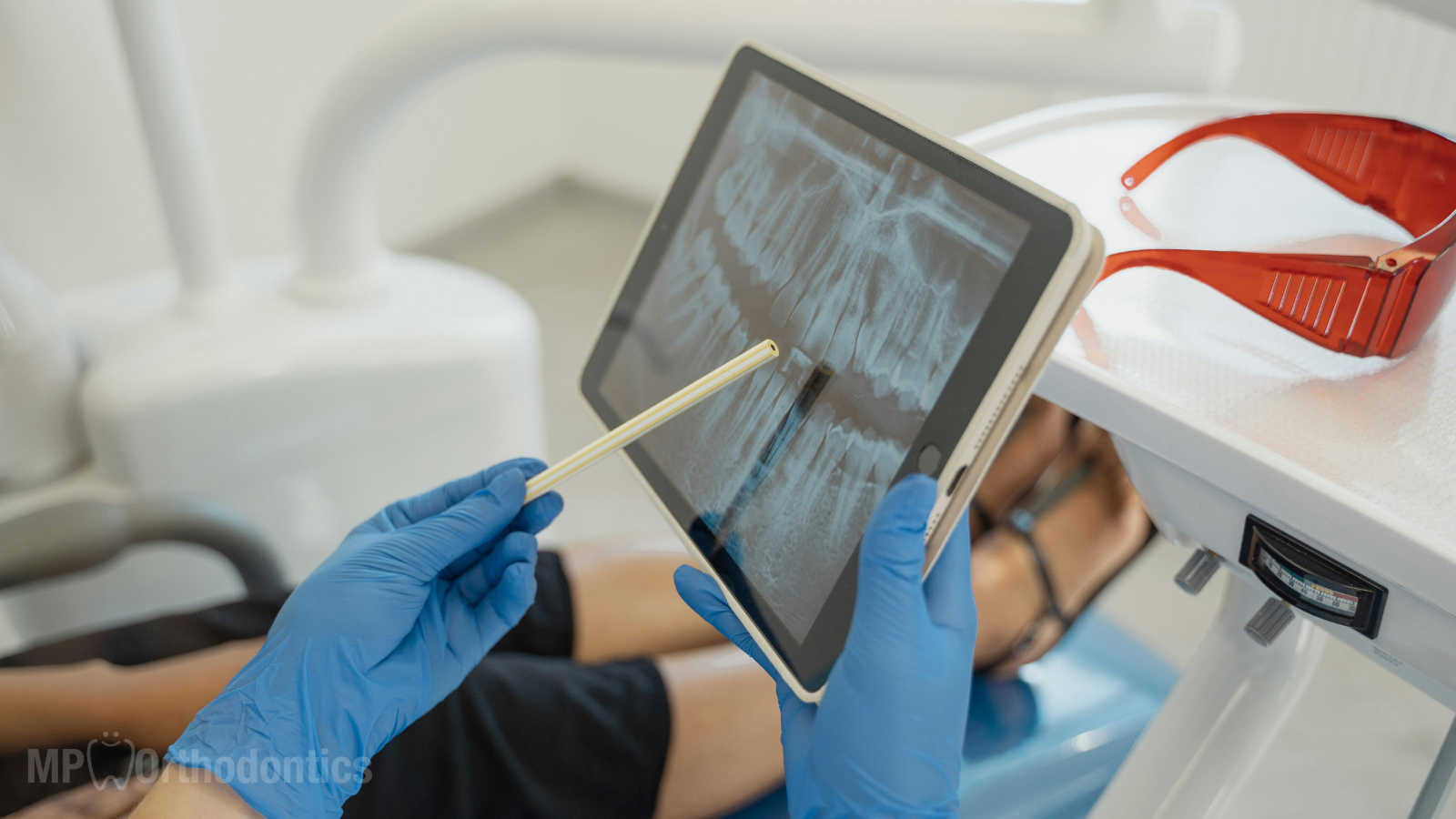
Has your dentist recommended orthodontics to correct your bite? You’re probably wondering what caused the issue and whether it’ll correct itself without intervention.
Bite correction is typically used to treat misaligned teeth and jaw issues. With the right treatment planning, you might be able to prevent strain on the temporomandibular joint and later complications such as gum or bone disease.
From crowding and excess spacing to overbites and underbites, here’s what you need to know about the causes and implications of the most common orthodontic problems.
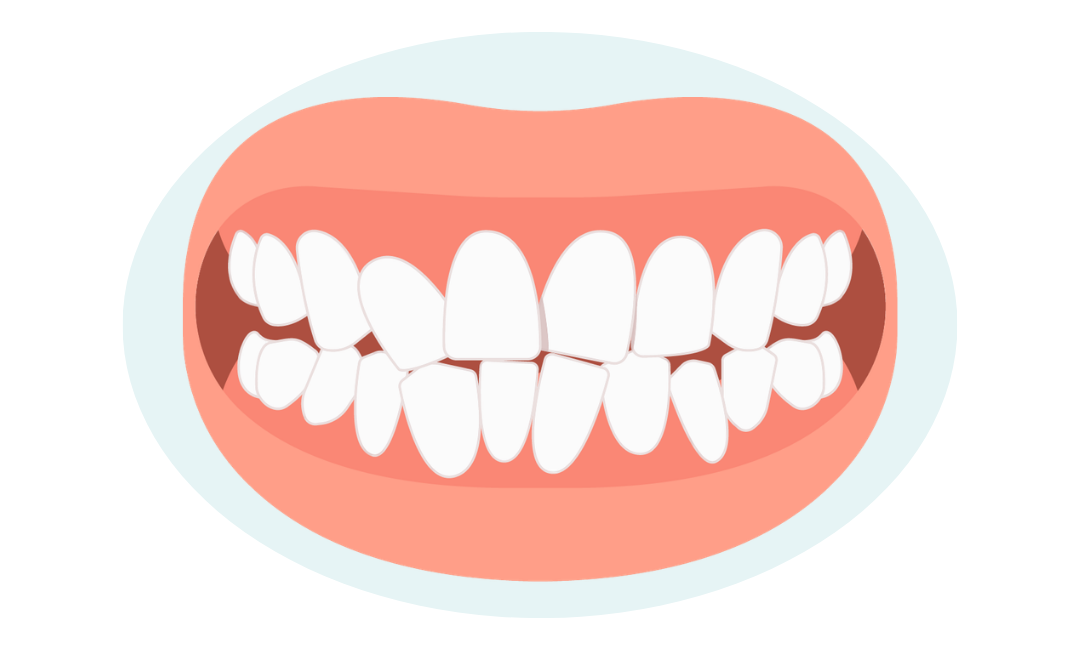
Crowded teeth are among the most frequent orthodontic concerns. Crowding occurs when there is insufficient space in the jaws to accommodate all of the teeth. Crowding of teeth not only leads to feeling self-conscious, but it can also cause significant wear on teeth.
Teeth that are overlapping and crowded are far more difficult to keep clean than straight teeth, and they’re far more prone to gum and bone disease. Studies have shown that patients who have gum and bone disease can be prone to heart disease and other systemic illnesses.
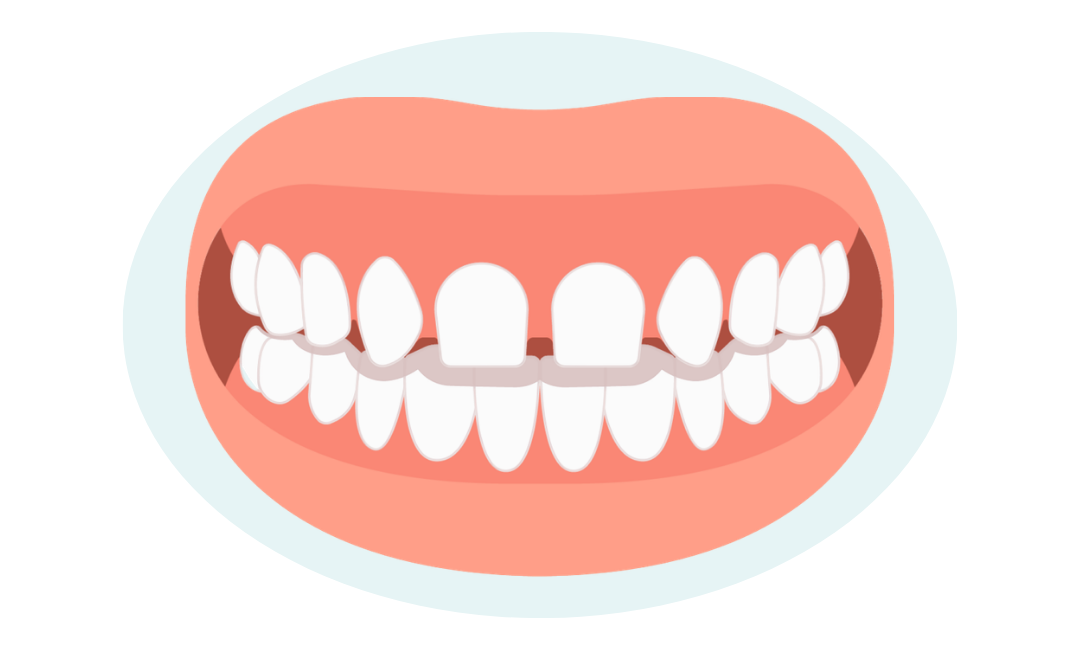
Excessive spacing and gaps between teeth are quite common and have many causes. Sometimes the cause is inherited, such as a mismatch between the size of a person’s jawbone and the size of their teeth. It’s also possible that some teeth are missing or are too small.
Another cause may be habits like thumb sucking, finger sucking, or tongue thrusting, which push teeth forward, often outside of their bony base.
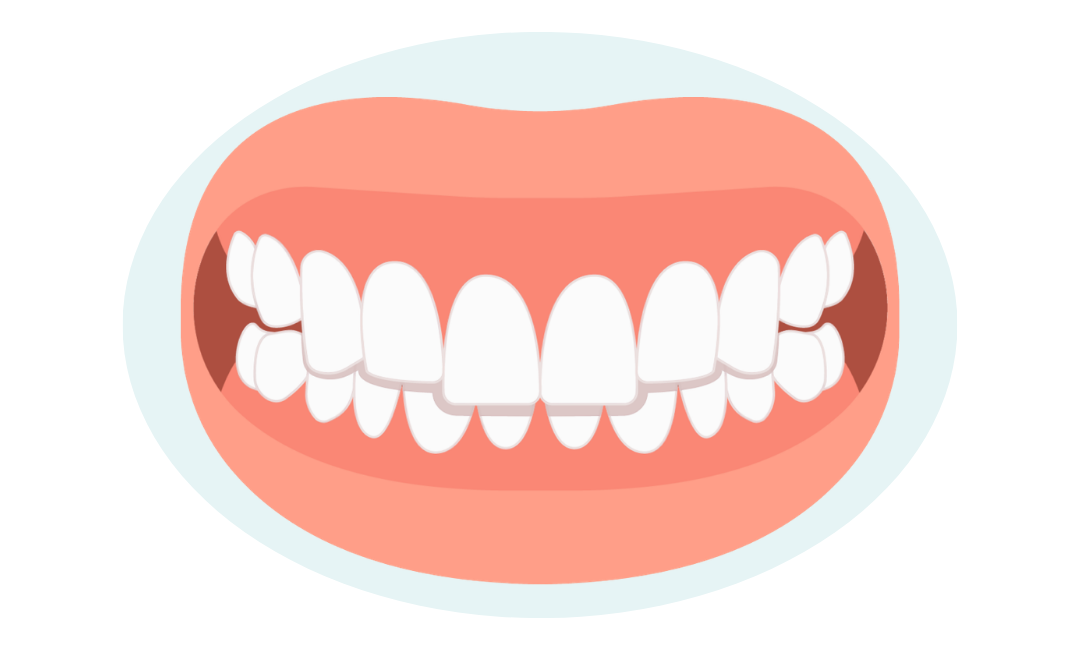
What you may know as an overbite is often referred to clinically as a deep bite. This condition occurs when the upper front teeth overlap the lower front teeth by more than 4 mm.
An overbite is a common target for bite correction because it can cause significant wear and eventual fracture of the front teeth. In some instances, it can traumatize the palate.
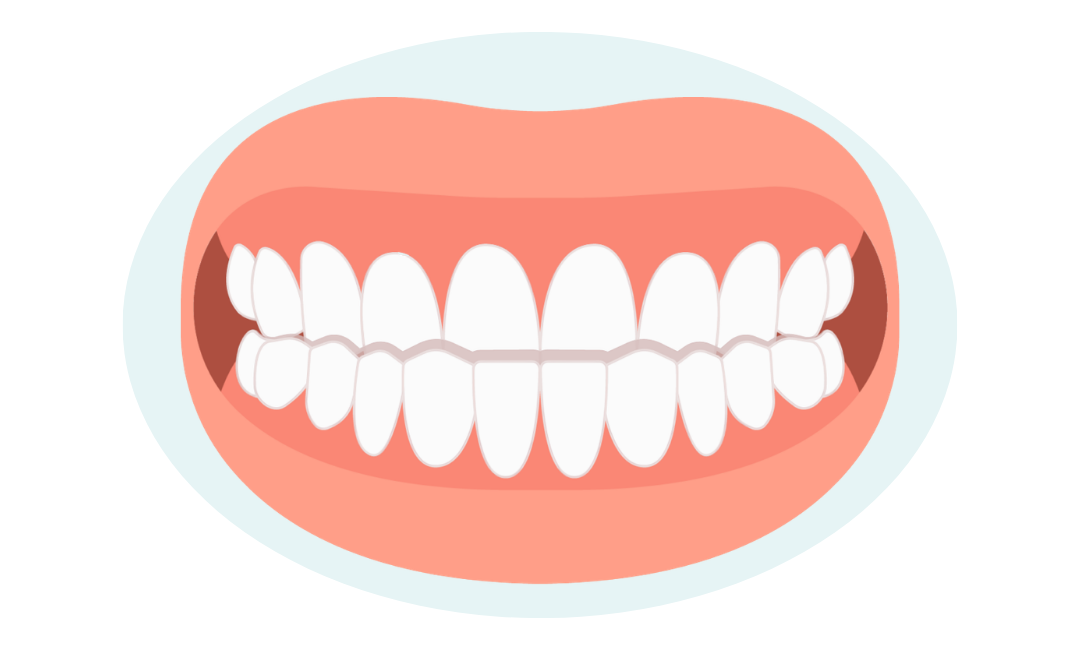
An underbite, or anterior crossbite, happens when one or more of the upper front teeth sit behind the lower front teeth, leaving the lower front teeth ahead.
It can be caused by abnormal tooth or jaw position (or both), and places unusual stress on the front teeth. Early intervention is considered highly beneficial for your child’s developing jaw.
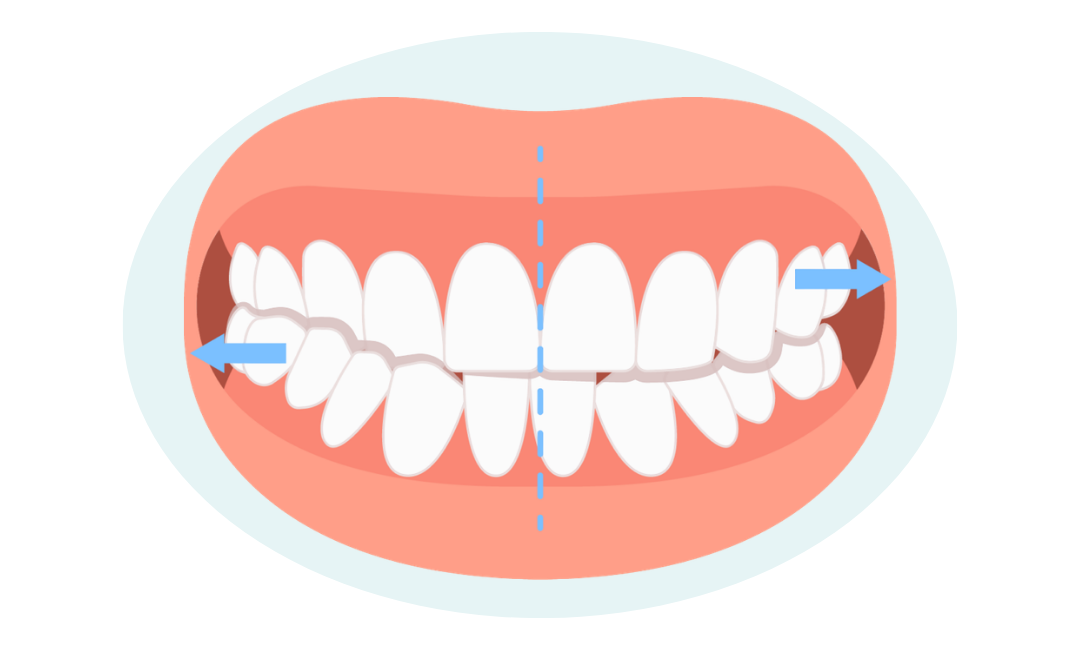
In a posterior crossbite, the upper back teeth sit inside the lower teeth. This can be corrected with a common orthodontic appliance called an expander.
All crossbites need to be corrected because the jaw shift associated with the crossbite adversely affects the jaw joint. This can cause considerable pain, clicking, and even locking of the jaw. In severe cases, it can cause facial asymmetry and affect normal jaw growth.
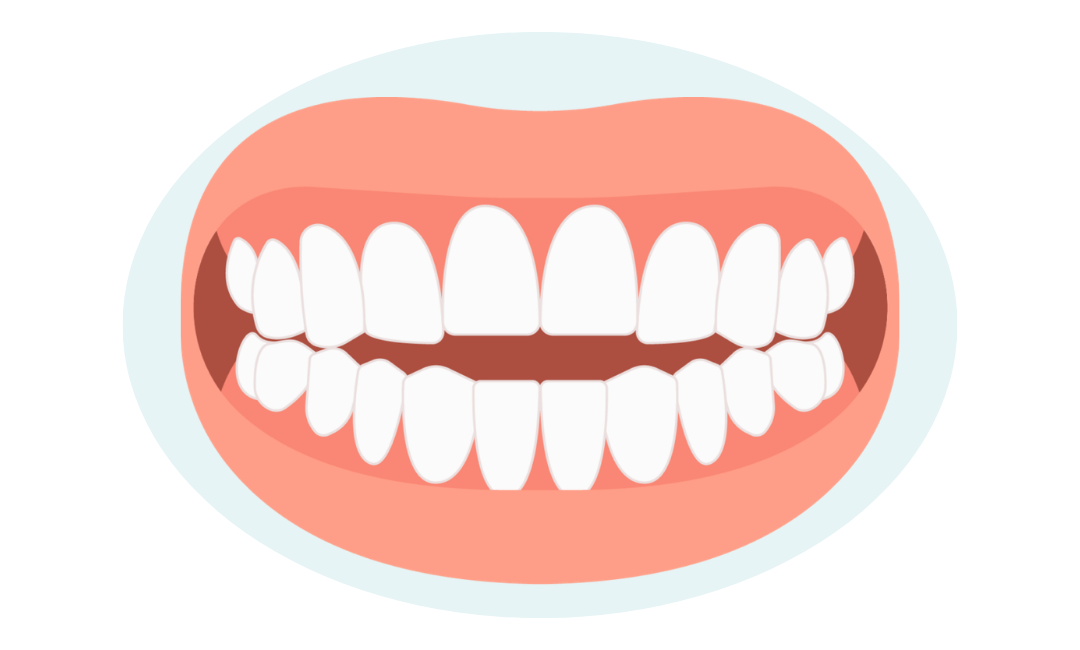
An open bite is an orthodontic condition in which the upper front teeth do not overlap the lower front teeth. There can be various causes, including genetics or habits such as thumb sucking, finger sucking, or tongue thrusting.
An untreated open bite can affect chewing and speech, and may ultimately lead to intestinal problems due to the inability to break down small pieces of food.
The uneven bite creates excessive force on the back teeth, which can eventually cause them to fracture. These excessive forces can also place extra pressure on the jaw joint, causing pain and headaches.
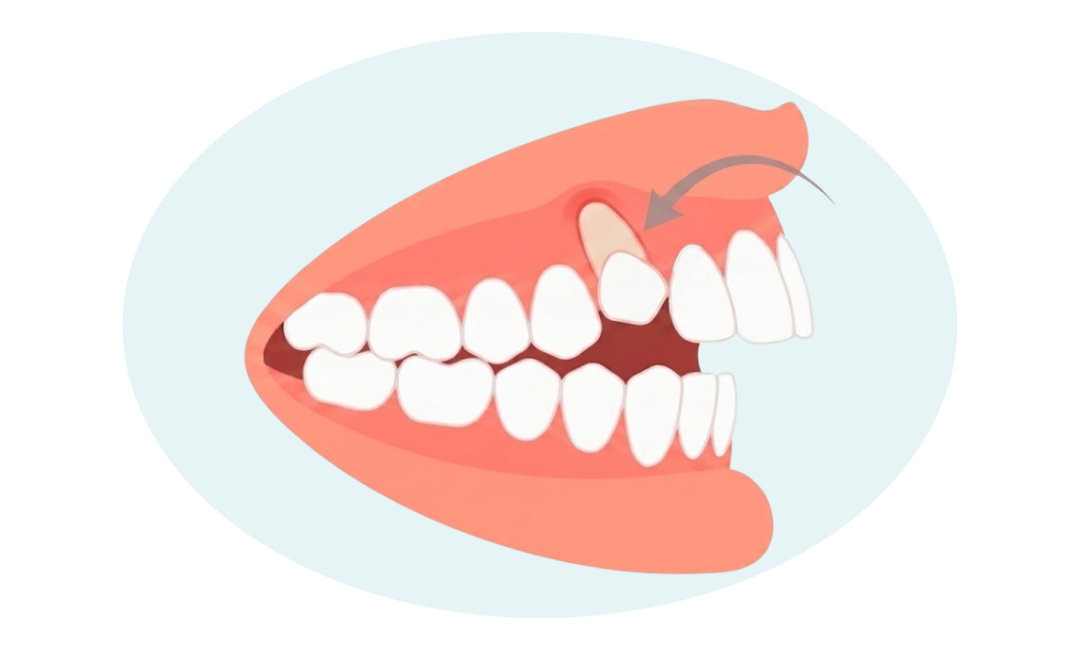
An ectopic eruption refers to a tooth that has emerged outside its anatomically correct positioning. It’s most commonly seen in permanent teeth in the upper jaw, especially as children experience the transition from baby teeth to adult teeth.
Because the tooth is essentially out of place, it can create an unusual bite force with abnormal contact patterns. This can develop into Temporomandibular Joint (TMJ) Strain, structural trauma, or asymmetry.
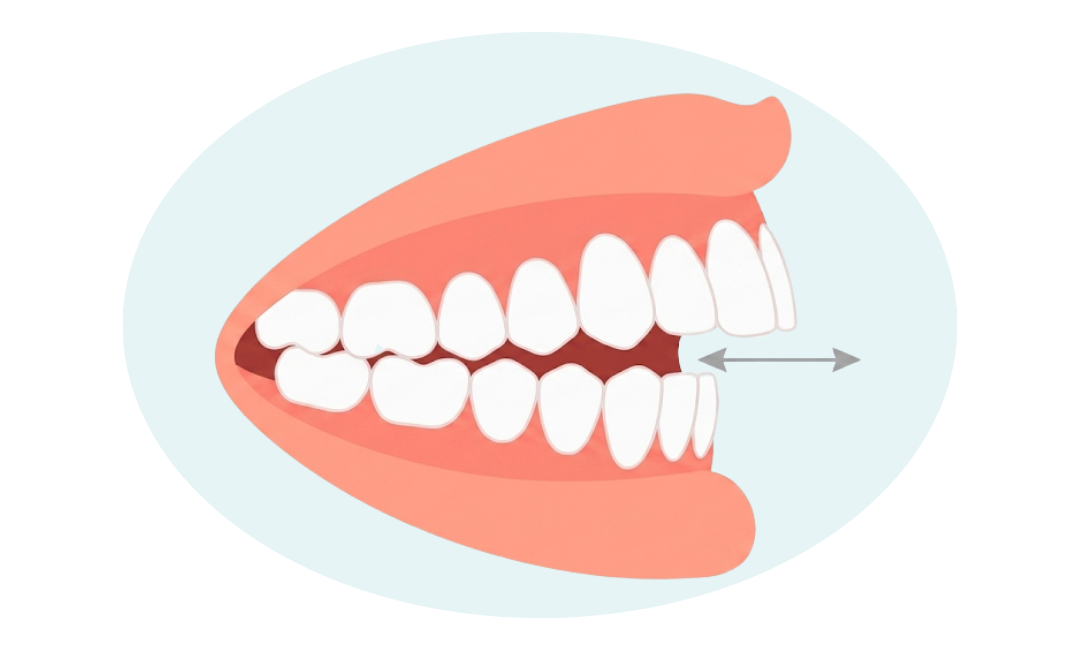
Protrusion is a forward flaring of the teeth or jaws relative to the cranial base. It can present purely as dentoalveolar (the teeth flare forward on the bone), skeletal (the jawbone itself sits too far forward), or a combination.
Left unmanaged, a protrusion can lead to increased risk of dental trauma, speech sound distortions, mouth breathing, and various other complications.
Acting early is usually the best course of action when treating bite issues. Orthodontic treatment during childhood and the teenage years allows us to work with your child’s growth and development, often making treatment simpler, faster, and more effective than waiting until adulthood.
If you’ve noticed any of these signs in your child’s smile, or your own, it’s never too early or too late for an orthodontic assessment. Contact us to make a booking.
Book a consultation with MP Orthodontics to begin your orthodontic journey.
Monday to Friday: 8:00 am - 5:30 pm
Saturday & Sunday: Closed

Copyright © 2026. MP Orthodontics. All rights reserved.