We are having a short break over Christmas. Please click here for any orthodontic emergencies.

We are having a short break over Christmas. Please click here for any orthodontic emergencies.

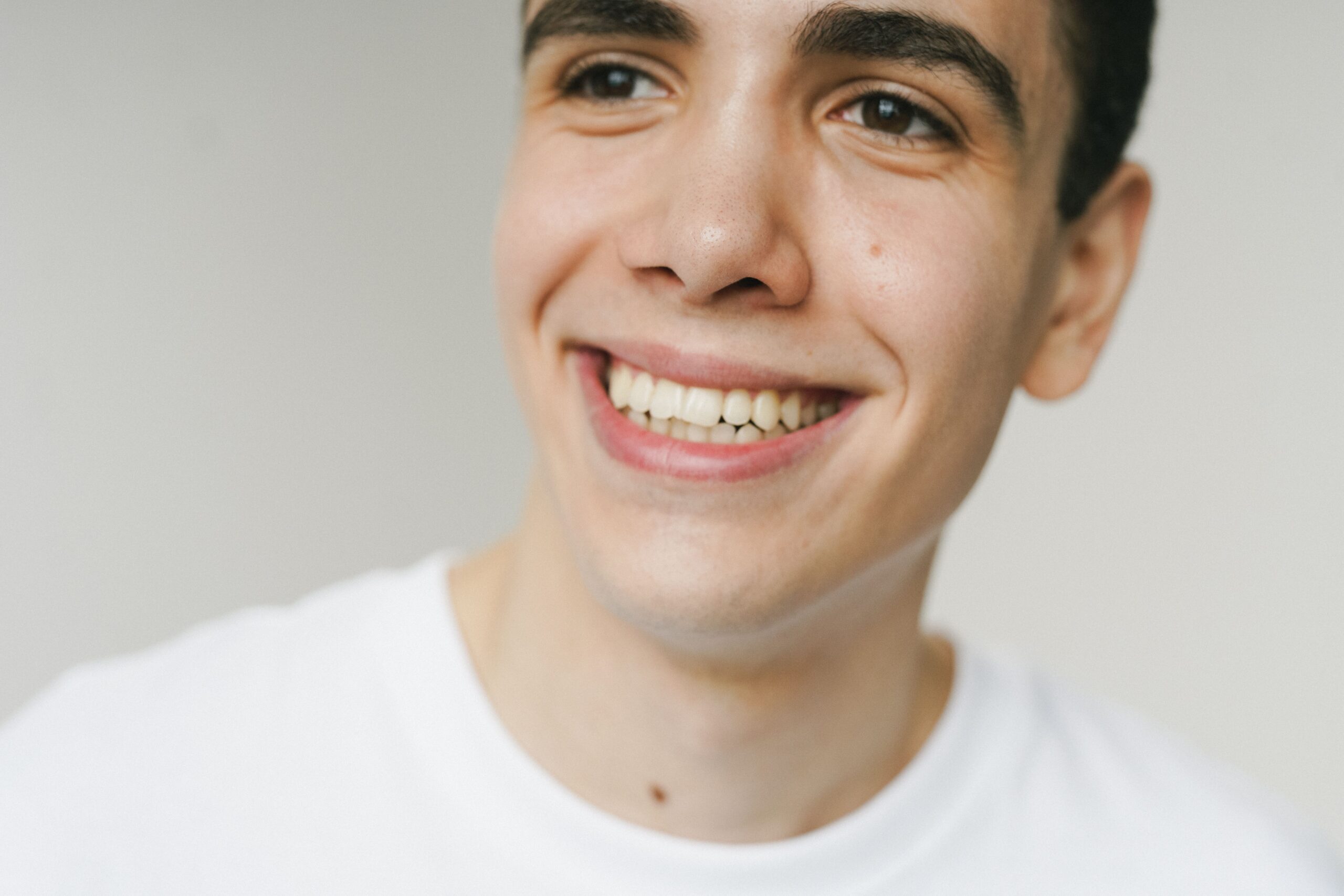
Many adults are surprised to discover their teeth have shifted years after completing orthodontic treatment. You may have worn braces as a teenager, enjoyed a straight smile for years, and then gradually noticed your teeth becoming crowded, crooked or uneven again.
If this sounds familiar, you’re not alone. Orthodontic relapse is a common concern among adults, and the good news is that effective orthodontic relapse treatment is available. Whether you’ve noticed minor movement or more significant changes, modern orthodontic treatment can often restore your smile without starting from scratch.
Understanding why orthodontic relapse occurs, recognising the early warning signs and seeking professional advice early can help protect your smile and prevent further tooth movement.
Orthodontic relapse occurs when teeth move out of alignment after orthodontic treatment. Although braces and clear aligners permanently improve tooth alignment, the surrounding bone, gums, and ligaments continue to adapt throughout life. This means some degree of tooth movement is natural as we age.
Orthodontic relapse can occur months, years or even decades after treatment. It does not necessarily mean your previous orthodontic treatment has failed. Instead, it reflects the ongoing biological changes that occur within the mouth over time.
The severity of orthodontic relapse varies from person to person. Some adults experience slight crowding, while others develop noticeable bite changes, spacing or crooked teeth that affect both appearance and function.
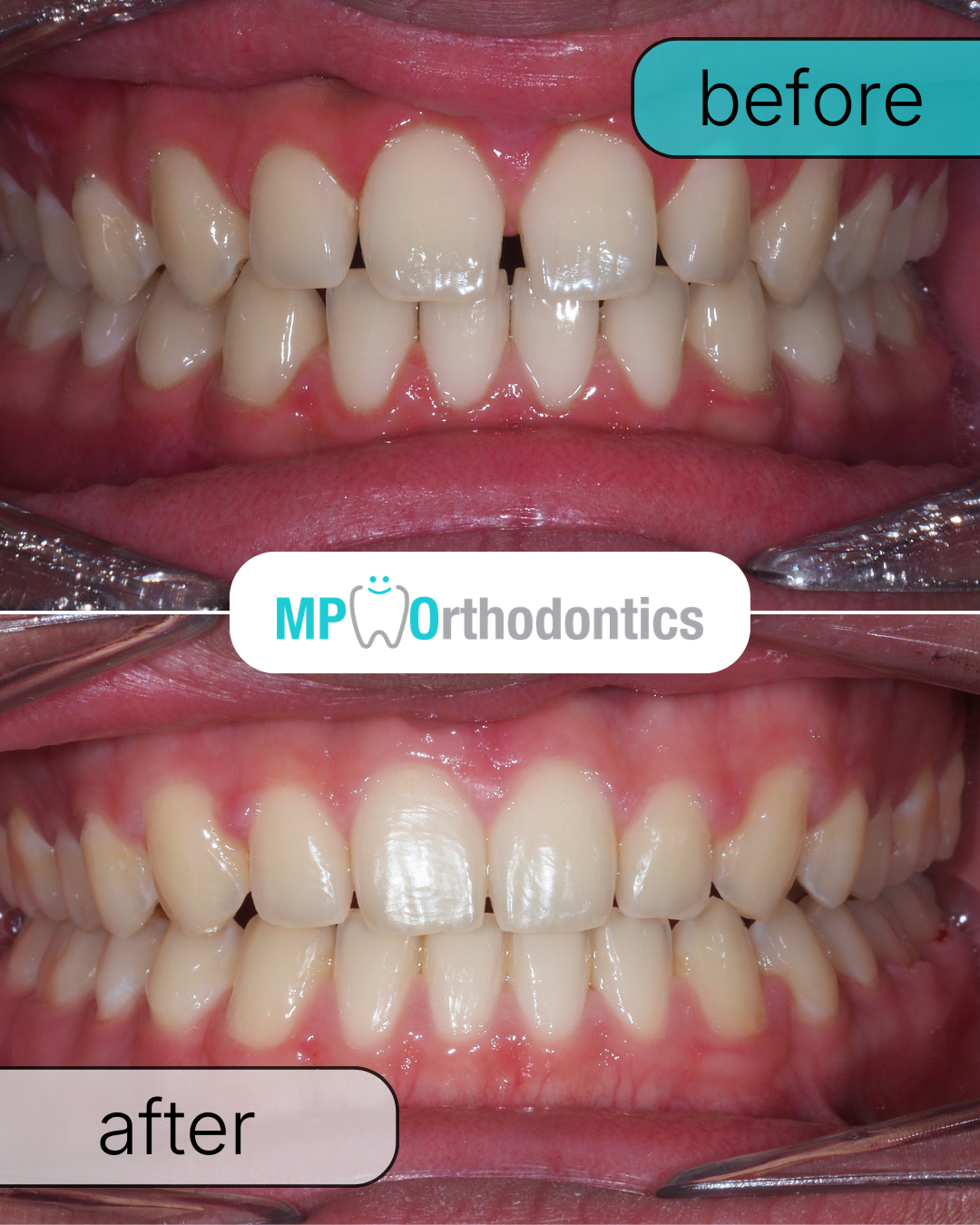
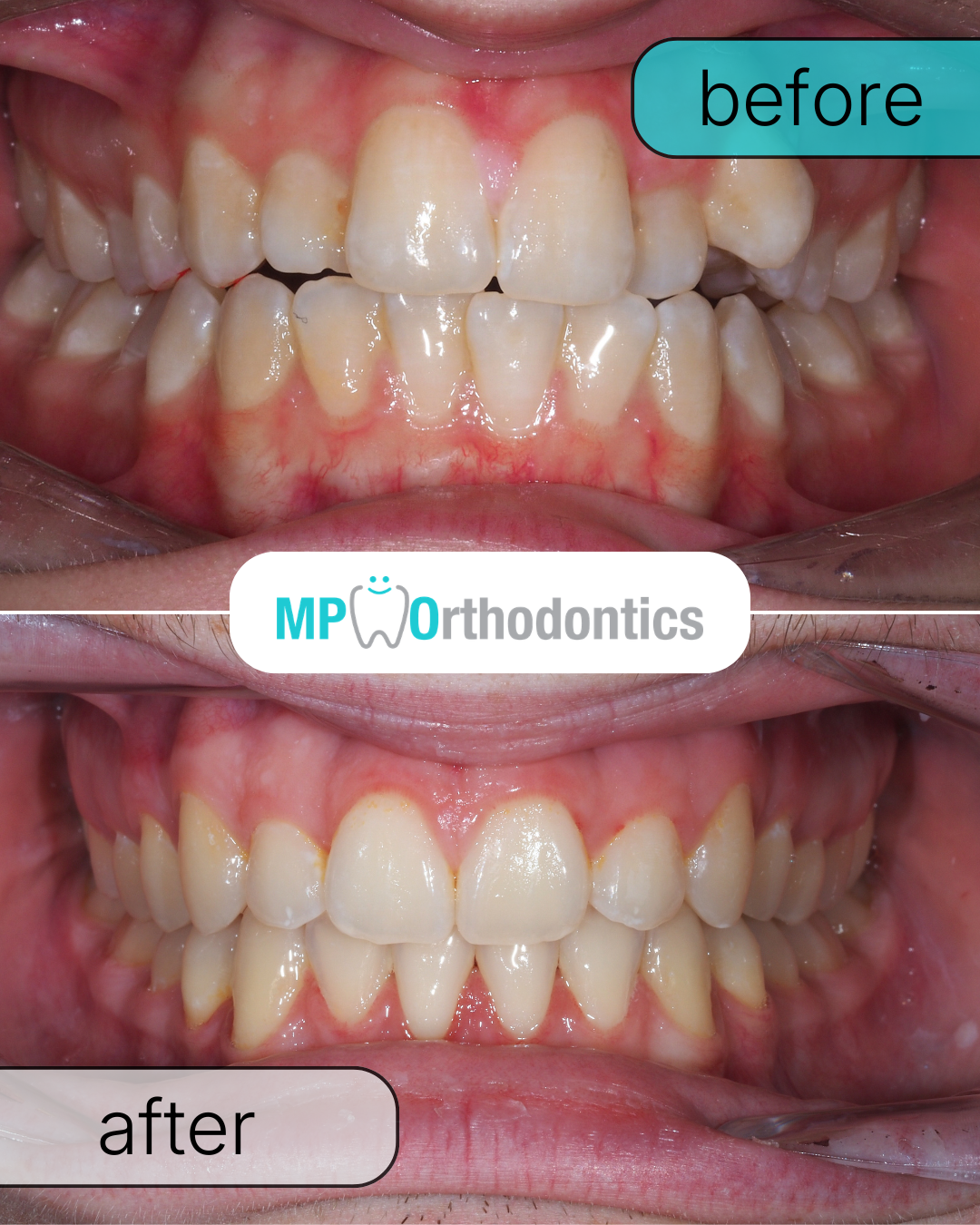
View more of our orthodontic relapse case studies
Several factors can contribute to orthodontic relapse after braces or clear aligner treatment.
The most common cause of orthodontic relapse is not wearing retainers as recommended. Retainers are designed to maintain your teeth in their new positions while the surrounding bone and soft tissues stabilise.
Even years after treatment, regular retainer wear remains the most effective way to prevent teeth from shifting.
It’s also worth noting that many adults who completed orthodontic treatment decades ago were never advised to wear retainers long-term, as retention protocols have evolved significantly over time.
Teeth naturally continue to move throughout life. Changes in the jaw, gums, facial muscles and bite can gradually influence tooth position, particularly the lower front teeth, making mild orthodontic relapse relatively common in adults.
Wisdom teeth erupt at different ages—or sometimes not at all. While they are not always responsible for orthodontic relapse, changes associated with wisdom teeth or evolving bite patterns may contribute to tooth movement in some individuals.
Periodontal (gum) disease weakens the tissues supporting the teeth, making them more susceptible to movement. Adults with gum disease may notice increasing spaces between teeth or changes in their bite.
In some cases, orthodontic relapse occurs because treatment was discontinued before the ideal tooth positions were achieved, leaving teeth more likely to move over time.
Relapse often develops gradually, making it easy to overlook the early warning signs.
You may notice:
If your retainer suddenly feels tight or no longer fits, it’s often one of the earliest indicators that your teeth have begun to move.
The sooner relapse is assessed, the simpler treatment may be.
In most cases, orthodontic relapse can be successfully treated.
The most suitable orthodontic relapse treatment depends on how much your teeth have moved, your bite and your overall oral health.
Treatment options may include:
Many adults are pleasantly surprised to learn that correcting orthodontic relapse is often quicker than their original orthodontic treatment, particularly when the movement is addressed early.
If you’ve noticed your teeth shifting later in life, don’t assume you’re stuck with a smile you don’t love. Adult orthodontic relapse is common, and modern treatment options make it easier than ever to restore your smile.
An early assessment of orthodontic relapse can determine the cause of the movement, discuss your treatment options and help prevent further changes. Whether your relapse is minor or more significant, seeking advice sooner often means treatment is simpler, faster and more predictable.
If you’re concerned about orthodontic relapse, booking a consultation is the first step towards restoring a healthy, confident smile.
Disclaimer: The case studies shown are for educational purposes only. Outcomes and experiences are unique to each individual as part of a comprehensive orthodontic treatment plan. Results and diagnoses may vary.
Book a consultation with MP Orthodontics to begin your orthodontic journey.
Monday to Friday: 8:00 am - 5:30 pm
Saturday & Sunday: Closed

Copyright © 2026. MP Orthodontics. All rights reserved.