We are having a short break over Christmas. Please click here for any orthodontic emergencies.

We are having a short break over Christmas. Please click here for any orthodontic emergencies.


We all recognise a beautiful smile when we see one. But what actually makes a smile appealing? It’s often a combination of factors, including tooth alignment, facial proportions, the shape of your smile and the way your gums frame your teeth.
When people think about improving their smile, they often focus on straightening crooked teeth. However, what makes a beautiful smile goes beyond straight teeth alone. The relationship between your teeth, gums, jaws and facial features can all influence the appearance of your smile.
Orthodontists consider these factors when planning treatment, taking into account each person’s unique facial features and dental needs.
Let’s explore six key factors that contribute to smile aesthetics.
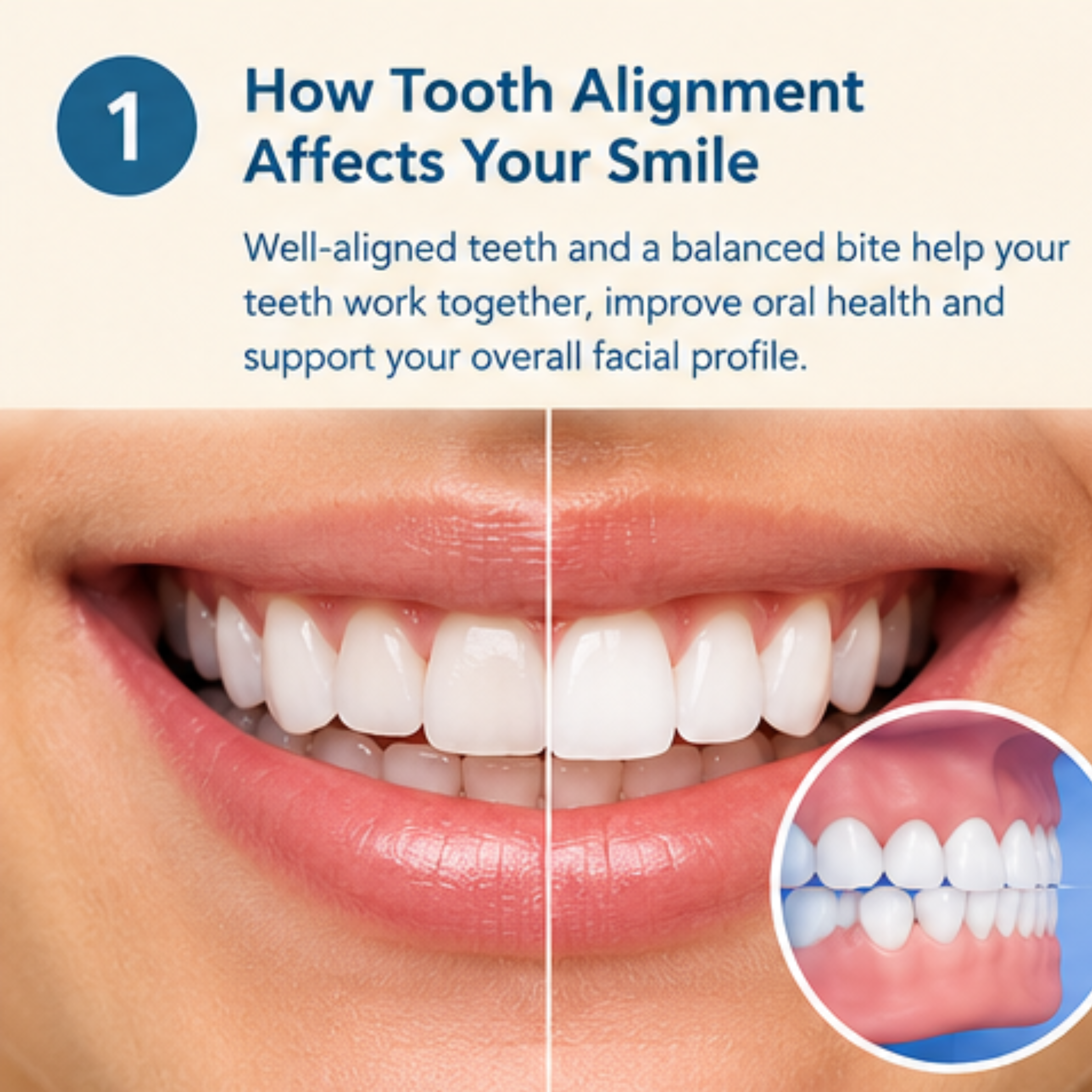
Tooth alignment plays an important role in the appearance and function of your smile. When your upper and lower teeth meet comfortably and appropriately, they work together as part of a balanced bite.
An uneven bite can contribute to problems such as uneven tooth wear and, in some cases, jaw discomfort. Tooth positioning and bite alignment can also influence the appearance of your lower face, including how your lips and chin relate to your overall facial profile.
While perfectly straight teeth aren’t a requirement for a beautiful smile, orthodontists consider both tooth alignment and bite function when assessing individual treatment needs.
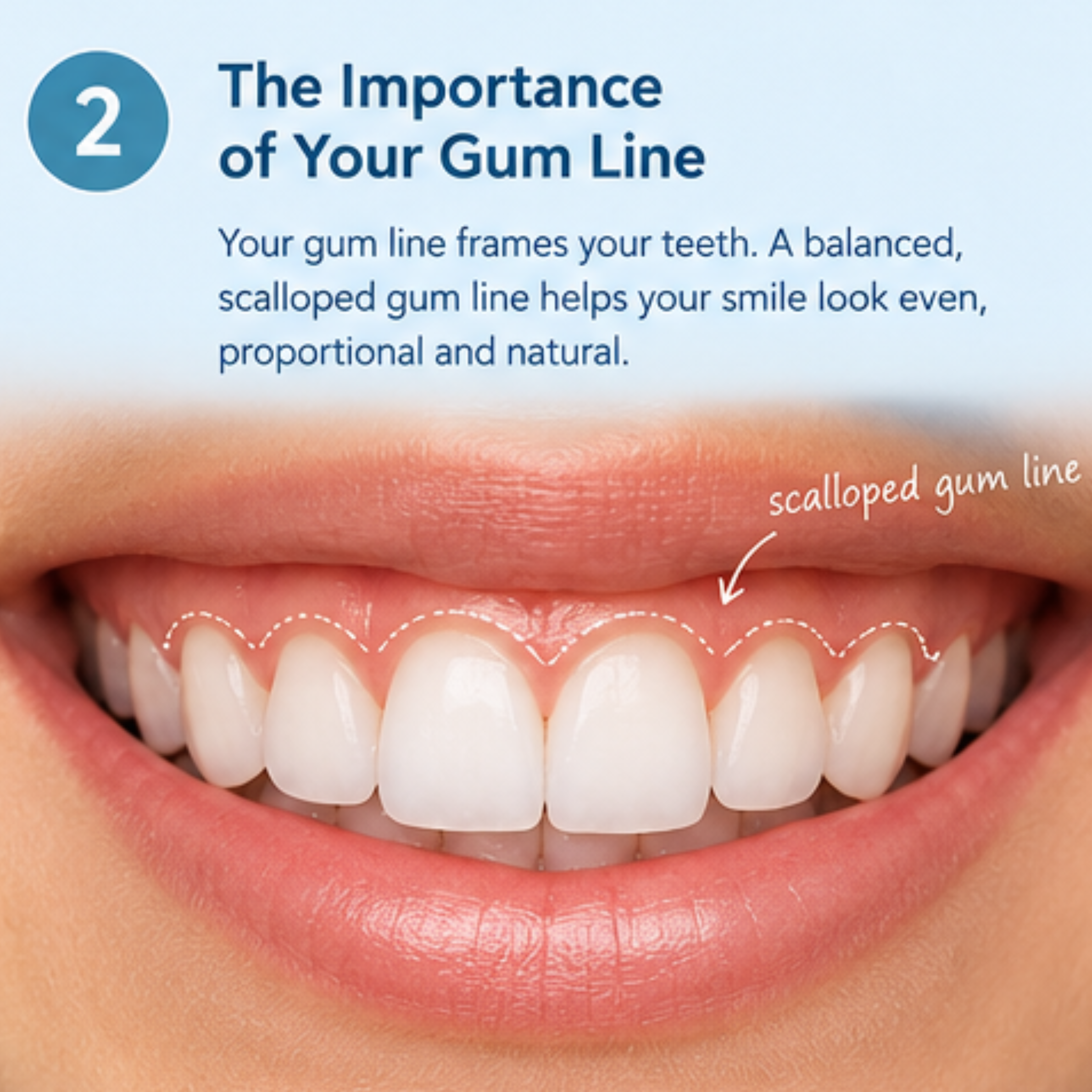
Your gums do more than support your teeth. They also frame them, contributing to the overall appearance of your smile.
The gum line refers to the edge of the gum tissue where it meets the teeth. Differences in gum height can affect how long or symmetrical your teeth appear, even when the teeth themselves are relatively straight.
Orthodontists consider the relationship between the gum line, tooth proportions and upper lip when assessing smile aesthetics. The aim is to understand how these features work together, rather than to achieve a single ideal appearance for everyone.
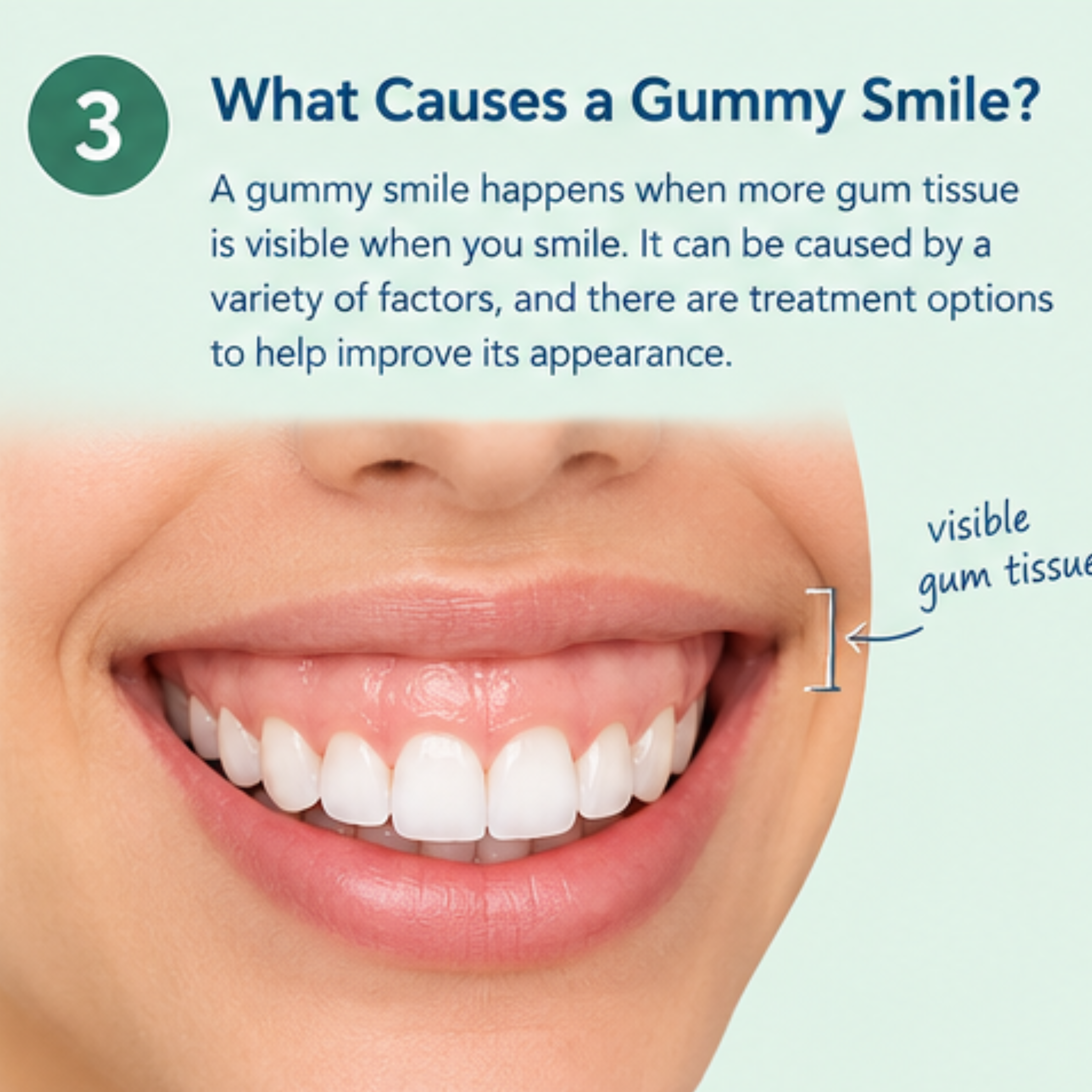
A gummy smile occurs when a noticeable amount of gum tissue is visible above the upper teeth when smiling. For some people, this is simply a natural feature of their smile. Others may wish to explore options for changing its appearance.
Several factors can contribute to a gummy smile, including:
In some cases, more than one factor may be involved. The most appropriate management depends on the underlying cause, which is why an individual assessment is important.
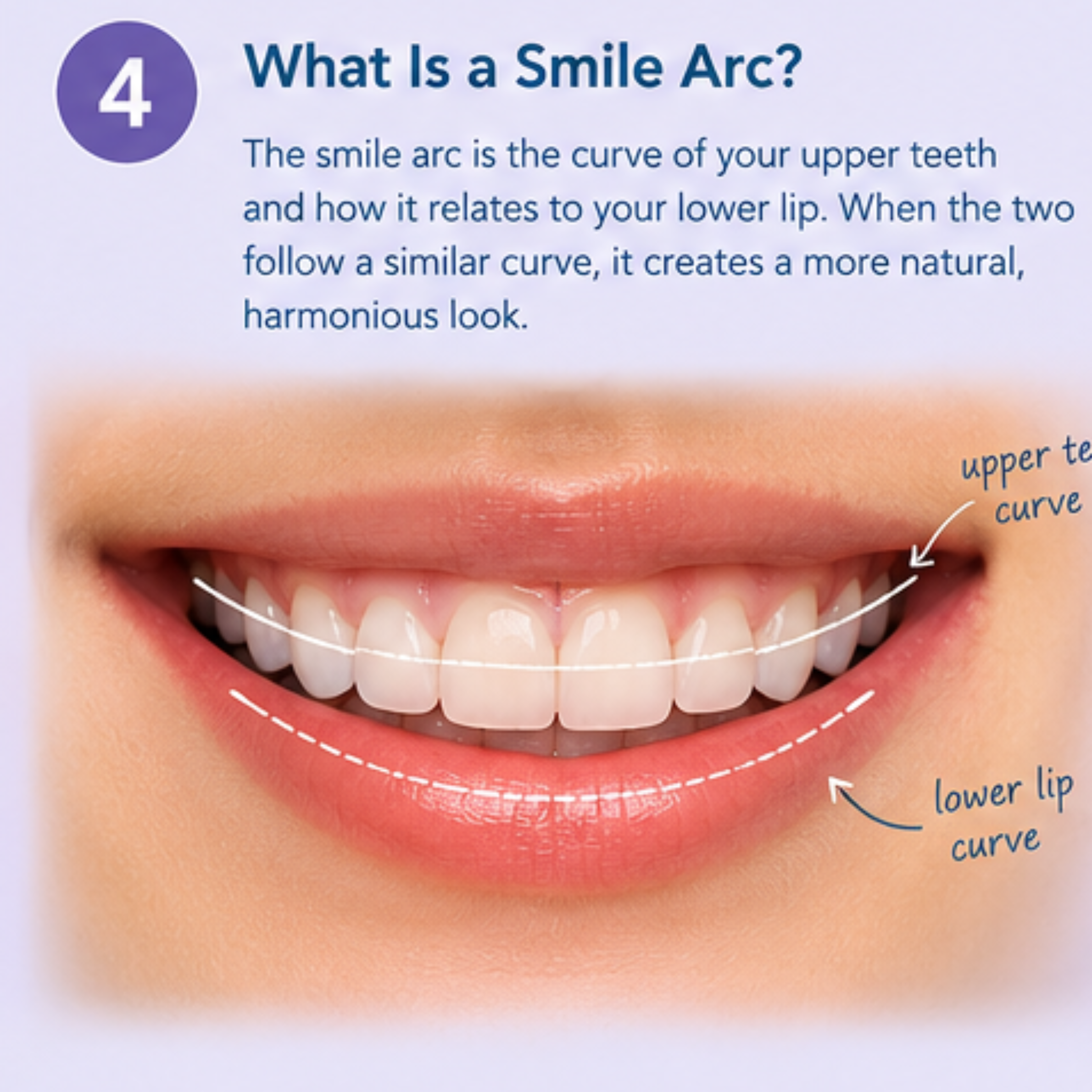
Have you ever noticed how the upper teeth follow the curve of the lower lip when someone smiles? This relationship is known as the smile arc.
In a smile with a pronounced, curved arc, the edges of the upper front teeth broadly follow the curvature of the lower lip. A flatter smile arc has less of this curvature.
The smile arc is one of several features orthodontists consider when planning treatment. Tooth positioning, tooth shape, lip movement and the proportions of the face all contribute to how a smile looks.
There is no single smile arc that suits everyone. Instead, it is considered alongside the individual’s facial features and treatment goals.
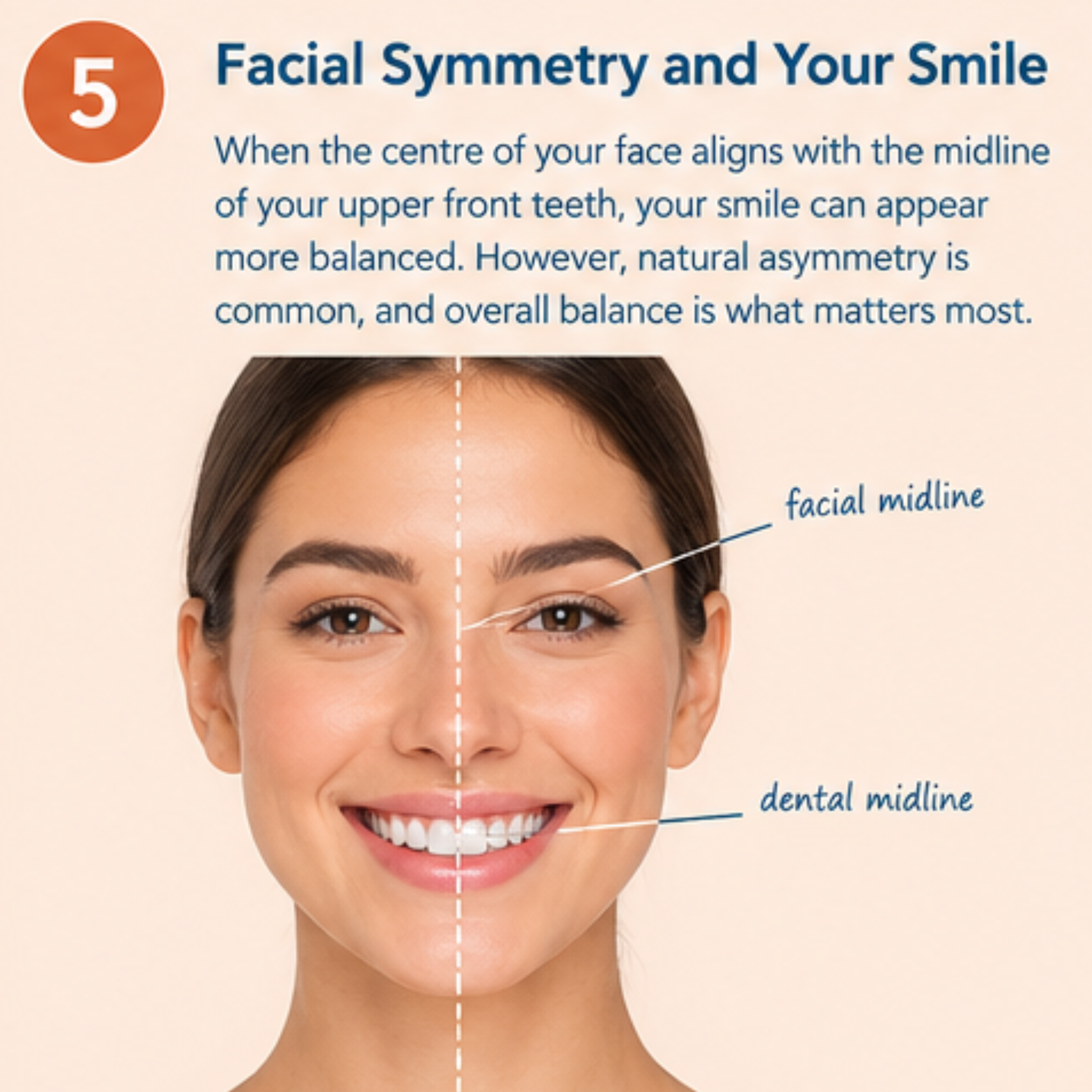
Facial balance is another factor that can influence the appearance of a smile. One aspect orthodontists assess is the relationship between the centre of the face and the midline between the upper front teeth.
When these midlines are closely aligned, the smile may appear more balanced. When they differ, the teeth may appear slightly shifted to one side.
However, a perfectly aligned dental midline is not essential for an attractive smile. Natural facial asymmetry is common, and orthodontists consider the overall relationship between the teeth, jaws and face rather than assessing one feature in isolation.
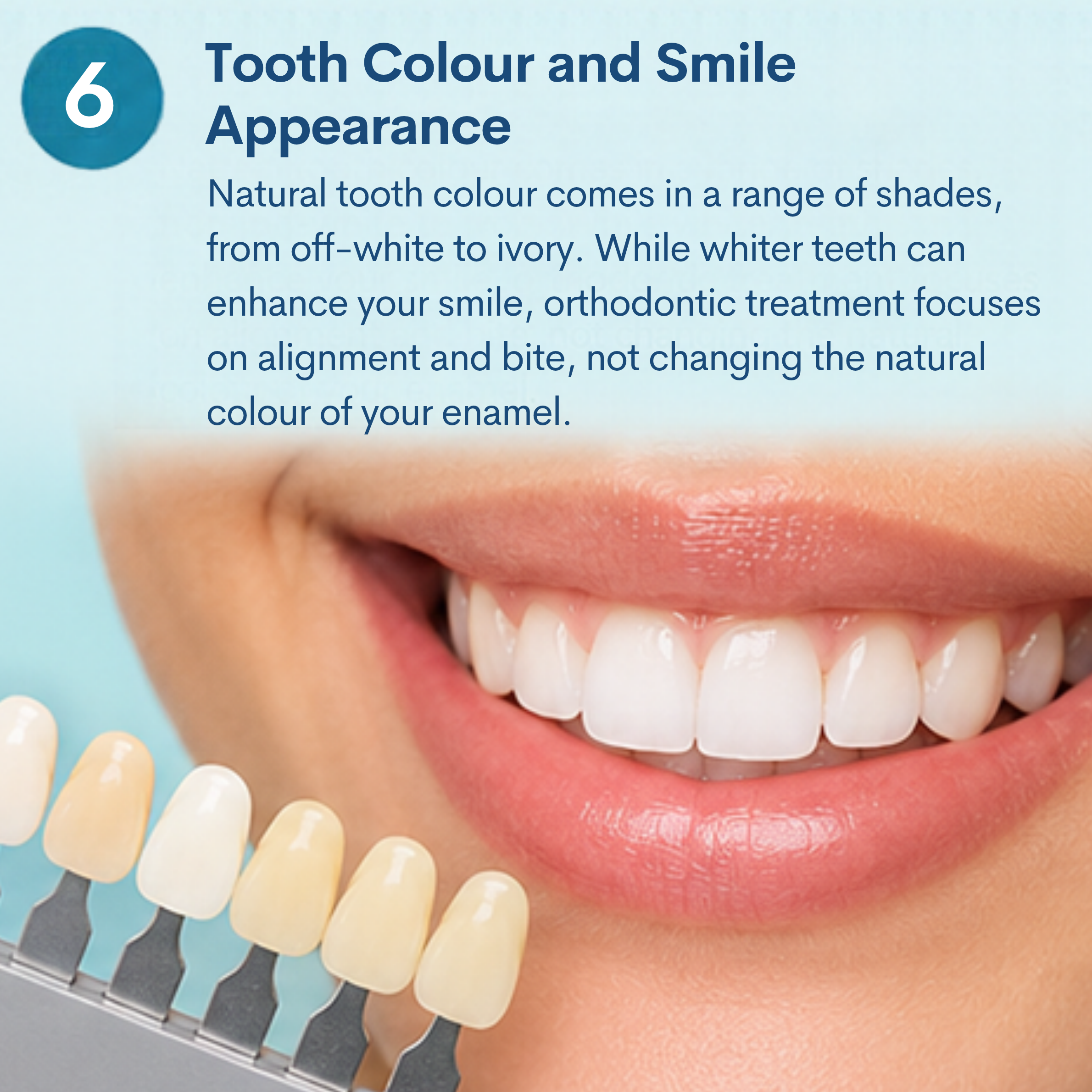
Tooth colour is another factor people often consider when thinking about what makes a beautiful smile.
Naturally healthy teeth come in a range of shades, from off-white to warmer ivory tones. Their appearance is influenced by factors such as enamel characteristics, the underlying dentine and staining.
While tooth colour can affect the overall look of a smile, whiter teeth are not necessarily healthier teeth. Orthodontic treatment focuses on tooth positioning and bite alignment rather than changing the natural colour of the enamel.
For people considering additional cosmetic dental treatments, a discussion with an appropriately qualified dental practitioner can help clarify the available options.
So, what makes a beautiful smile? It’s the way your teeth, gums, bite and facial features work together, while still reflecting what makes your smile uniquely yours.
If you’re considering orthodontic treatment, an assessment with a specialist orthodontist can help you understand your tooth alignment, bite and individual treatment options.
Contact our team to arrange a consultation and learn more about your smile.
Book a consultation with MP Orthodontics to begin your orthodontic journey.
Monday to Friday: 8:00 am - 5:30 pm
Saturday & Sunday: Closed


Copyright © 2026. MP Orthodontics. All rights reserved.