We are having a short break over Christmas. Please click here for any orthodontic emergencies.

We are having a short break over Christmas. Please click here for any orthodontic emergencies.

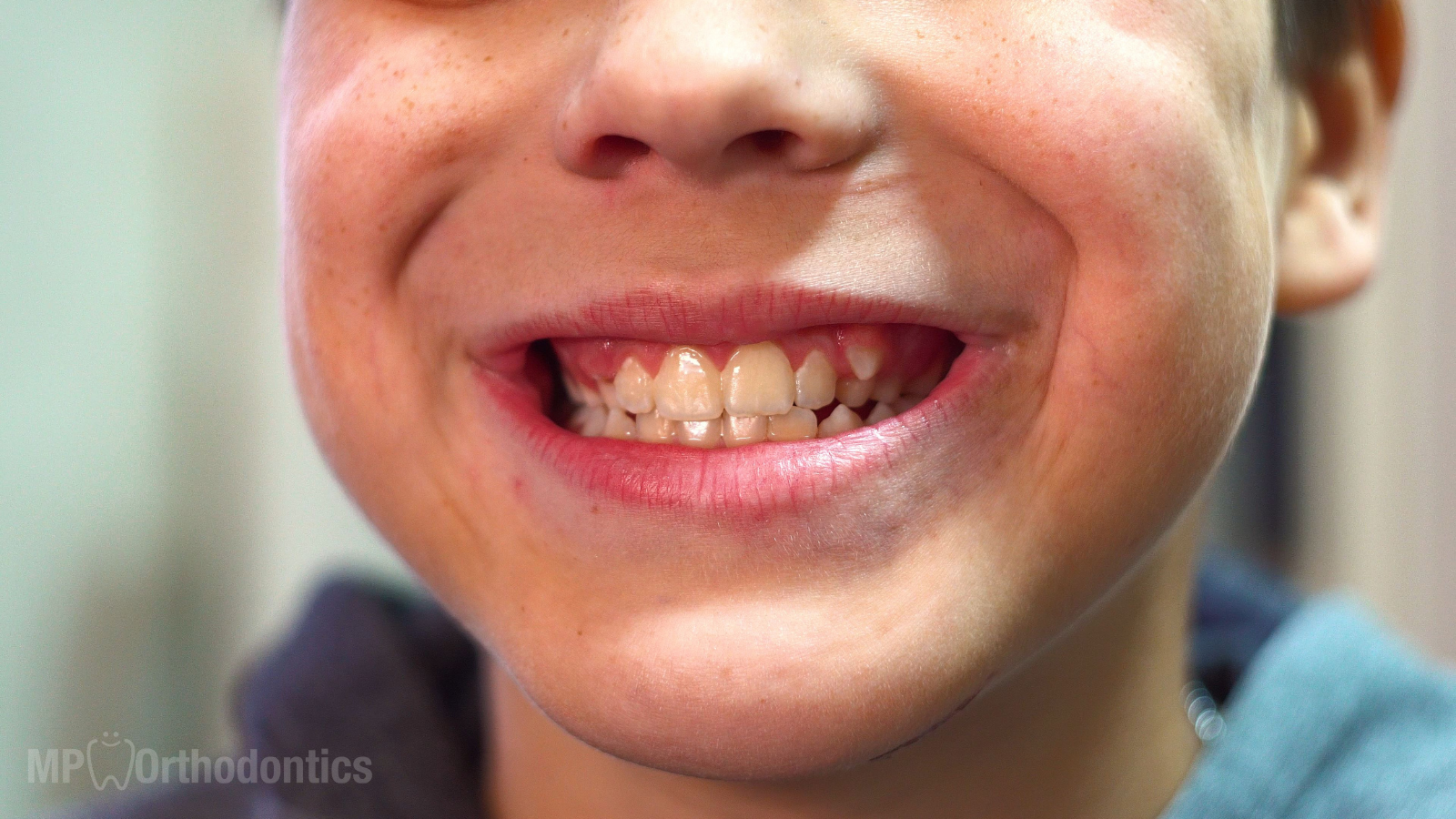
Conditions like missing teeth, extra teeth, ectopic teeth, and impacted teeth may be rare orthodontic issues, but they’re the kind of thing we address daily. For most people, early treatment (preferably in childhood or adolescence if applicable) is the best way to prevent complications that can extend beyond oral health.
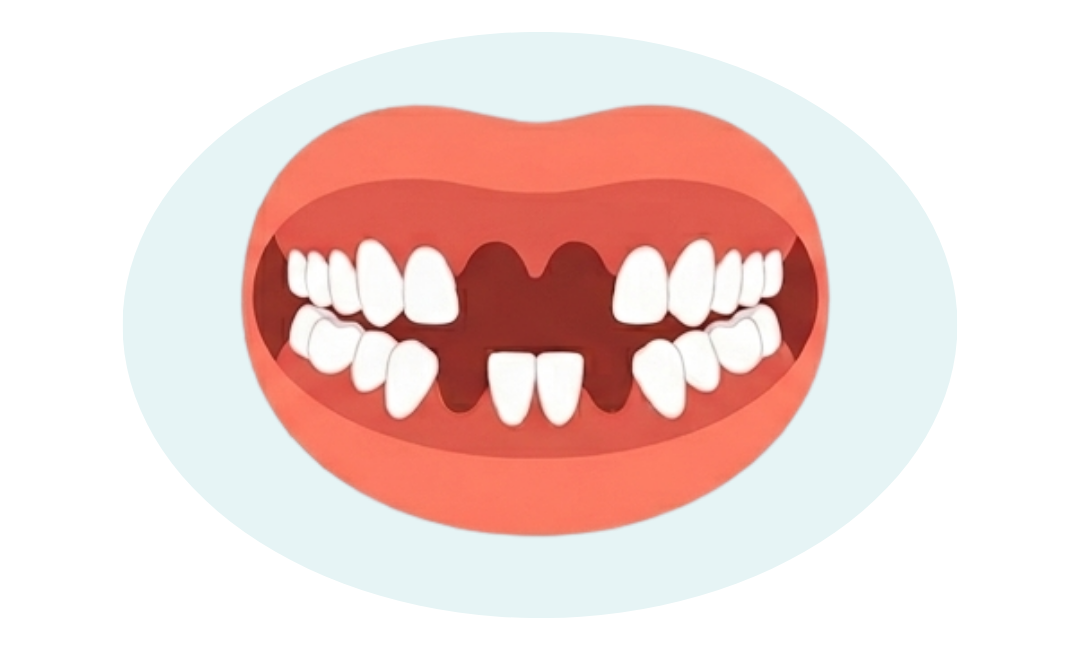
The loss or absence of one or more permanent teeth can be caused by genetic conditions, trauma or injury, gum disease, cavities, or even poor dental hygiene.
When permanent teeth are missing, orthodontists must assess the placement and bite alignment to determine the best next steps. Solutions may include braces, bridges, or implants.
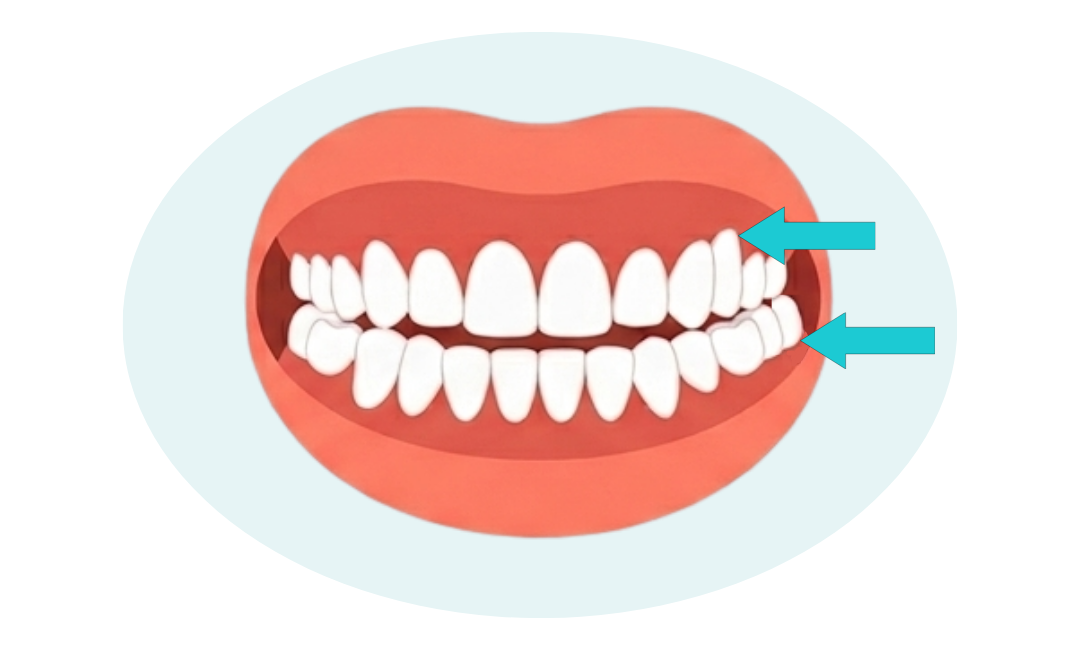
While missing teeth present one challenge, having too many teeth presents another. One or more extra (supernumerary) teeth are found in up to 3.8% of the population. An extra tooth can be visible, meaning it has erupted through the gum, or impacted, meaning it remains hidden beneath the gum line.
While this condition is quite common (and less problematic) in baby teeth, extra teeth in the permanent dentition can interfere with a person’s bite and may require intervention. An orthodontist might recommend removal and/or braces or aligners to straighten the surrounding teeth.
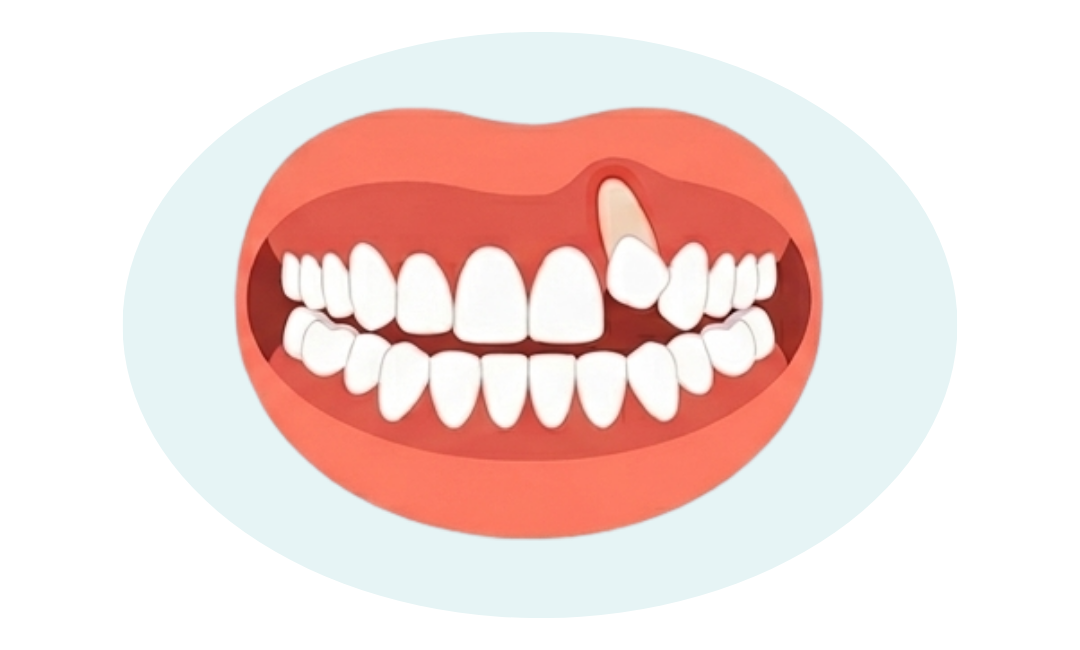
Ectopic teeth are teeth that erupt in locations they should not, also known as an abnormal eruption pathway. For example, upper canine teeth may grow ectopically and erupt on the palatal side, which is the upper roof of the mouth.
Like many other orthodontic problems, ectopic teeth are primarily caused by genetic factors. However, a lack of space in the jaw can also contribute to a tooth erupting ectopically.
An ectopic eruption of an upper front permanent tooth is more common during the mixed dentition stage, while children transition from baby teeth to permanent teeth. If left unaddressed, it can result in the premature loss of the milk tooth and a battle for space for the permanent teeth.
In some cases, dentists may recommend separators or expanders to get teeth into the correct position. Otherwise, extraction or orthodontic repositioning may be recommended.
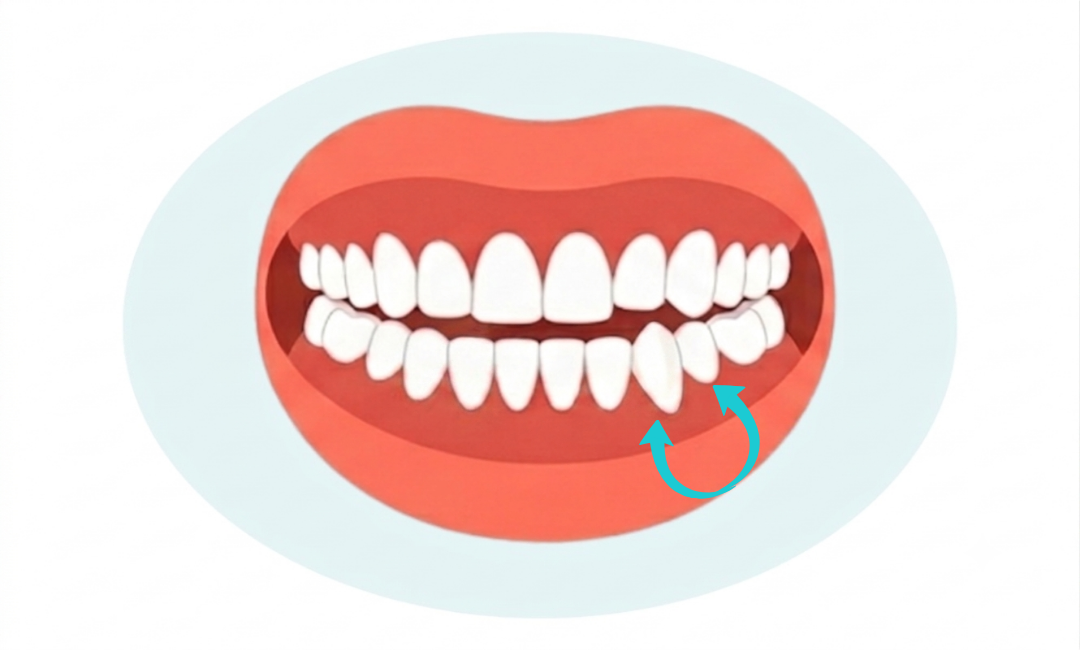
Teeth transposition is a rare and severe form of ectopic eruption. It’s clinically defined as the positional interchange of two neighboring teeth, which basically means two teeth have swapped places.
In the case of teeth transposition, the earlier the intervention, the better. A patient’s specific alignment and the severity of the transposition would need to be considered to determine the best treatment plan.
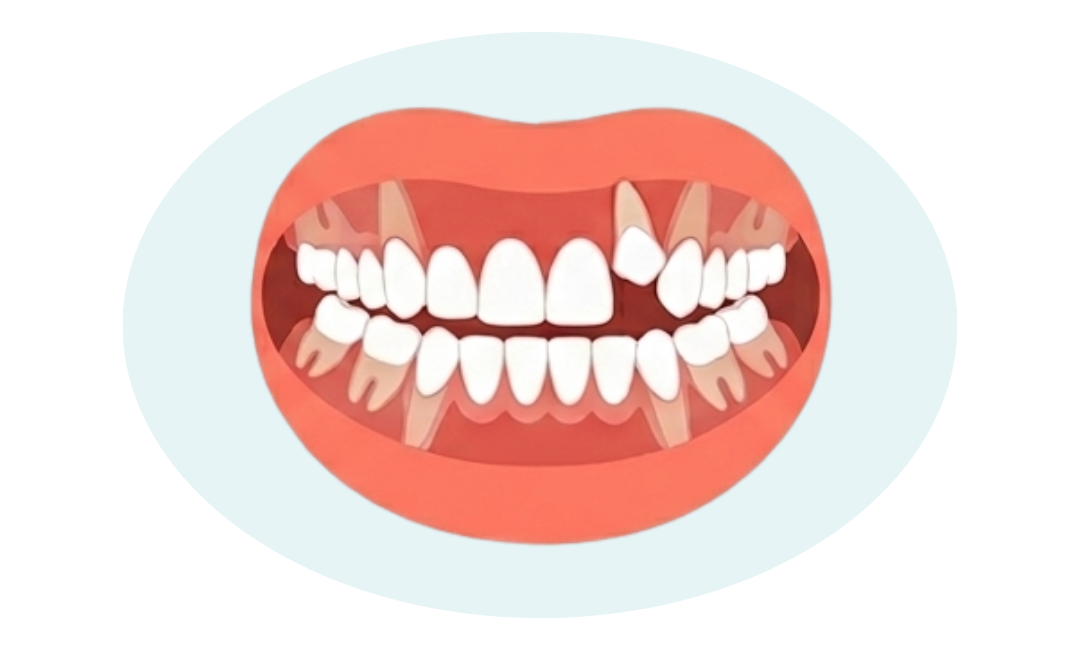
When a tooth fails to emerge through the gums, it’s considered an impacted tooth. This can occur in any placement, but is most common in wisdom teeth.
In the face of rare orthodontic issues, specialised advice and early intervention are the best way to avoid long-term complications. If you suspect your child has an unusual eruption pattern or if your dentist has flagged a potential issue, book an appointment with one of our orthodontists for an expert opinion.
Book a consultation with MP Orthodontics to begin your orthodontic journey.
Monday to Friday: 8:00 am - 5:30 pm
Saturday & Sunday: Closed

Copyright © 2026. MP Orthodontics. All rights reserved.