We are having a short break over Christmas. Please click here for any orthodontic emergencies.

We are having a short break over Christmas. Please click here for any orthodontic emergencies.

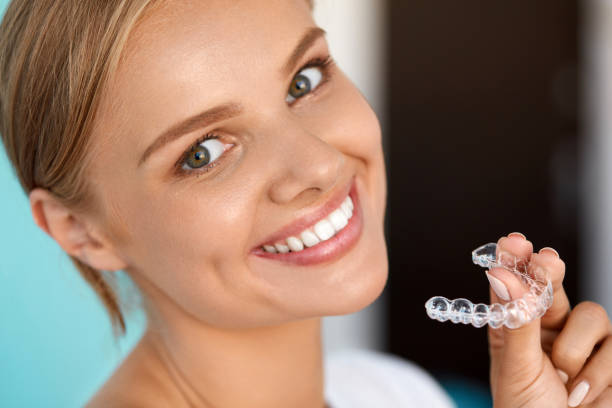
Finishing orthodontic treatment is an exciting milestone. After months or even years of braces or clear aligners, you’ve earned the straight, healthy smile you’ve been working towards.
But it’s important to know teeth can naturally shift over time, even after successful orthodontic treatment.
Once your braces or aligners are removed, your teeth need support to help maintain their new positions. This is where retainers come in. Wearing your retainer as instructed is one of the most important things you can do to protect your orthodontic results over the long term.
Avoid undoing all the hard work by understanding how to maintain your smile after orthodontic treatment.
A common question patients ask after finishing treatment is: “If my teeth are straight now, why do I still need to wear a retainer?”
The simple answer is that teeth can move.
While orthodontic treatment has guided your teeth into their new positions, the tissues surrounding your teeth continue to adapt. Without retention, there is a risk that teeth may gradually move back towards their original positions.
This doesn’t mean your orthodontic treatment has failed. Tooth movement is a natural process that can occur throughout life.
Retainers are an important part of maintaining your final result. Think of them as protecting the investment you’ve made in your smile.
One of the most common questions we hear is: how long do you need to wear a retainer?
The answer depends on your individual treatment and your orthodontist’s recommendations. Typically, retainers are worn full time for the first 6 months, before transitioning to overnight wear.
By this stage, you will be accustomed to wearing retainers, and nightly wear, as often as possible, is highly encouraged.
Your orthodontist will always provide specific instructions based on your teeth, bite, and treatment plan.
Long-term retention is generally important because your teeth will naturally move over time.
This doesn’t necessarily mean wearing your retainer all day, every day indefinitely. For many patients, retention eventually becomes a simple part of their night-time routine.
Consistency is key.
Rather than thinking of your retainer as something you will eventually “graduate” from, it’s helpful to think of it as part of your daily routine.
If you stop wearing your retainer, your teeth may gradually begin to move.
You might notice your retainer feels tighter than it used to. You may also see spaces form, teeth turn, or crowding start to occur. You could even notice changes to your bite.
Addressing tooth movement early is important. The longer teeth are allowed to move, the more difficult it may be to return them to their previous positions.
If your retainer still fits, your orthodontist may recommend increasing your retainer wear to help manage early tooth movement.
However, if your retainer no longer fits properly, don’t force it into place. Contact us for advice.
Finishing Invisalign or another clear aligner treatment doesn’t mean the retention phase is any less important.
Just like braces, clear aligners have moved your teeth into new positions. Once active treatment is complete, retainers help maintain that result.
Your orthodontist will recommend the most appropriate type of retainer and wearing schedule for you.
So, whether you’ve completed treatment with traditional braces or clear aligners, retention remains an important part of maintaining your new smile.
Book a consultation with MP Orthodontics to begin your orthodontic journey.
Monday to Friday: 8:00 am - 5:30 pm
Saturday & Sunday: Closed

Copyright © 2026. MP Orthodontics. All rights reserved.