We are having a short break over Christmas. Please click here for any orthodontic emergencies.

We are having a short break over Christmas. Please click here for any orthodontic emergencies.

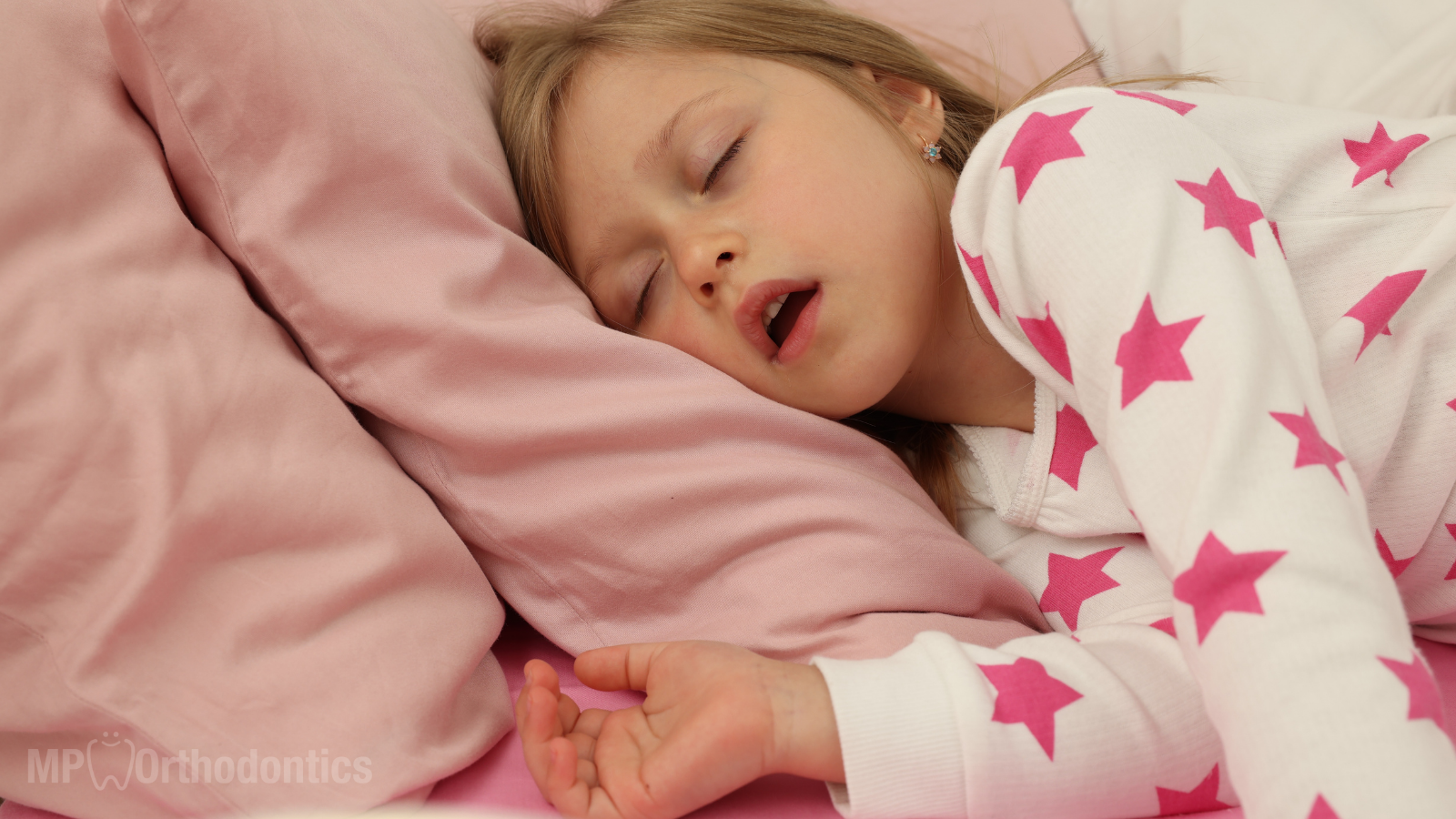
When it comes to your child’s growth and development, you may have heard conversations around orthodontics and sleep apnea. You might have even heard the emerging term “airway dentistry”.
With so much information available, it can be difficult to know what’s evidence-based and what’s not. This article focuses on the role orthodontists actually play in assessing sleep-related concerns — and how their expertise factors into your child’s overall care.
Sleep-disordered breathing (SDB), which includes conditions like obstructive sleep apnea (OSA), exists on a spectrum.
Orthodontists are trained to assess facial growth, jaw development and dental structures. Our orthodontists, Dr. Martin Poon and Dr. Geoffrey Hall have the expertise to identify potential risk factors affecting breathing during routine examinations.
However, it’s important to be clear:
During an orthodontic consultation, particularly in younger children, our orthodontists seek to understand your child’s overall development.
This can include asking questions like:
If concerns arise, we may recommend a referral to a GP, paediatrician, or sleep specialist for further investigation. This ensures your child receives the right diagnosis and care pathway from the outset.
There are common misconceptions that a child’s jaw, facial structure, anatomy and teeth contribute to breathing issues, such as:
Or our favourite falsehood:
These claims are not supported by strong scientific evidence. When recommending care, our orthodontists rely on research, not trends.
It’s easy to assume that jaw size or shape directly determines how well a child breathes during sleep. In reality, sleep-disordered breathing is complex and multifactorial.
Current research shows:
This is why our orthodontists take a cautious, evidence-based approach, avoiding oversimplified claims like: “a smaller jaw means airway problems.”
There’s a growing amount of marketing suggesting orthodontic treatment can “fix” or “prevent” sleep apnea. However, current evidence does not support orthodontics as a standalone solution for sleep-disordered breathing.
Orthodontic treatment should never be used as a substitute for proper medical diagnosis or management.
In fact:
This is why ethical orthodontic care focuses on working alongside medical professionals, not replacing them.
At MP Orthodontics, our approach to treatment is unique. We cultivate strong and active working partnerships with other healthcare providers, where orthodontic treatment is one factor in an overall care plan.
If you have questions about your child’s growth, bite, or development, an orthodontic assessment is a great place to start. Our team is here to provide clear, honest guidance — helping you make informed decisions with confidence. Book a consultation.
Book a consultation with MP Orthodontics to begin your orthodontic journey.
Monday to Friday: 8:00 am - 5:30 pm
Saturday & Sunday: Closed


Copyright © 2026. MP Orthodontics. All rights reserved.