We are having a short break over Christmas. Please click here for any orthodontic emergencies.

We are having a short break over Christmas. Please click here for any orthodontic emergencies.

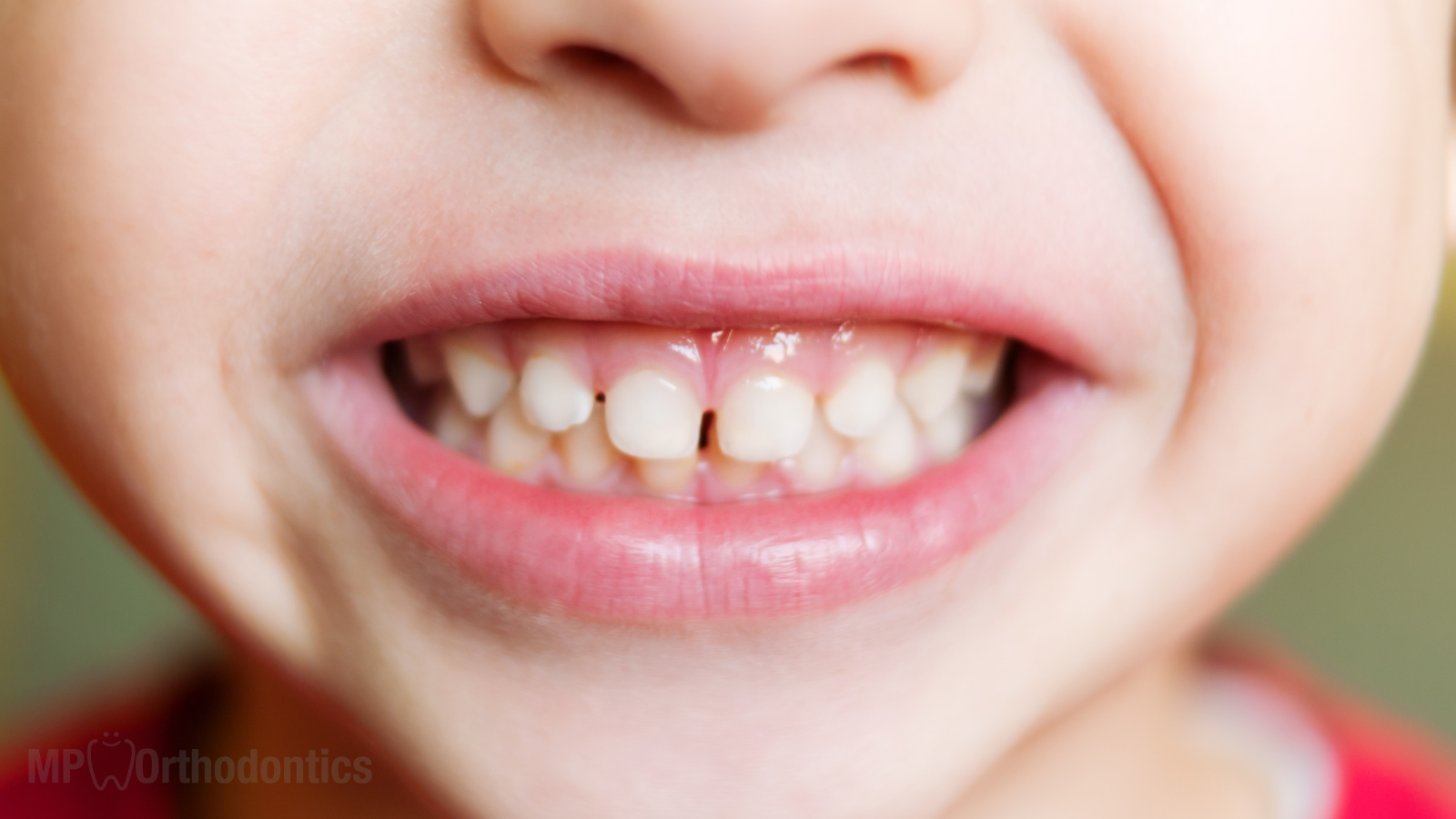
If you’ve noticed a gap in your child’s teeth, you’re not alone. It’s one of the most common concerns for parents of primary school children – especially around Bayside where we see lots of proactive families wanting to make sure everything is developing as it should.
The short answer?
In most cases, gaps in teeth as baby teeth fall out and adult teeth come through are completely normal – and often a good sign.
But there are times when an early orthodontic assessment is needed. Let’s explain why.
Children’s baby teeth are naturally smaller than the adult teeth that will eventually replace them. As your child grows, their jaw grows too – often creating extra space between teeth.
This spacing is usually helpful to make space for larger permanent teeth to come through. Without it, we see much more crowding – which presents an issue for teenagers, even adults.
So if you’re seeing a gap between your child’s front teeth at age 4, 5 or 6, it’s often just part of healthy development.
Between the ages of 6 and 12, children move through what we call the “mixed dentition” phase – when both baby teeth and adult teeth are present.
During this time, the jaw is still growing and it’s common to see:
It’s sometimes called the “ugly duckling stage” because front teeth may appear spaced, bucked or even too big as the adult canines are developing higher up in the gum.
The good news? For many children, as more adult teeth erupt and settle into position, gaps begin to close and the overall appearance settles into a more.
In many cases, yes.
From an orthodontic perspective, spacing in baby teeth is often healthier than no spacing at all.
Here’s why:
Generally, children with tightly packed baby teeth are actually more likely to experience crowding when permanent teeth come through.
So if your child has small gaps between their baby teeth, it’s often a positive sign that their jaw has space to accommodate adult teeth.
When Should Parents Be Concerned About Gaps In Children’s Teeth?
Gaps in children’s teeth are to be expected and are considered normal, however, there are situations where an expert opinion is beneficial.
You might consider an orthodontic assessment if:
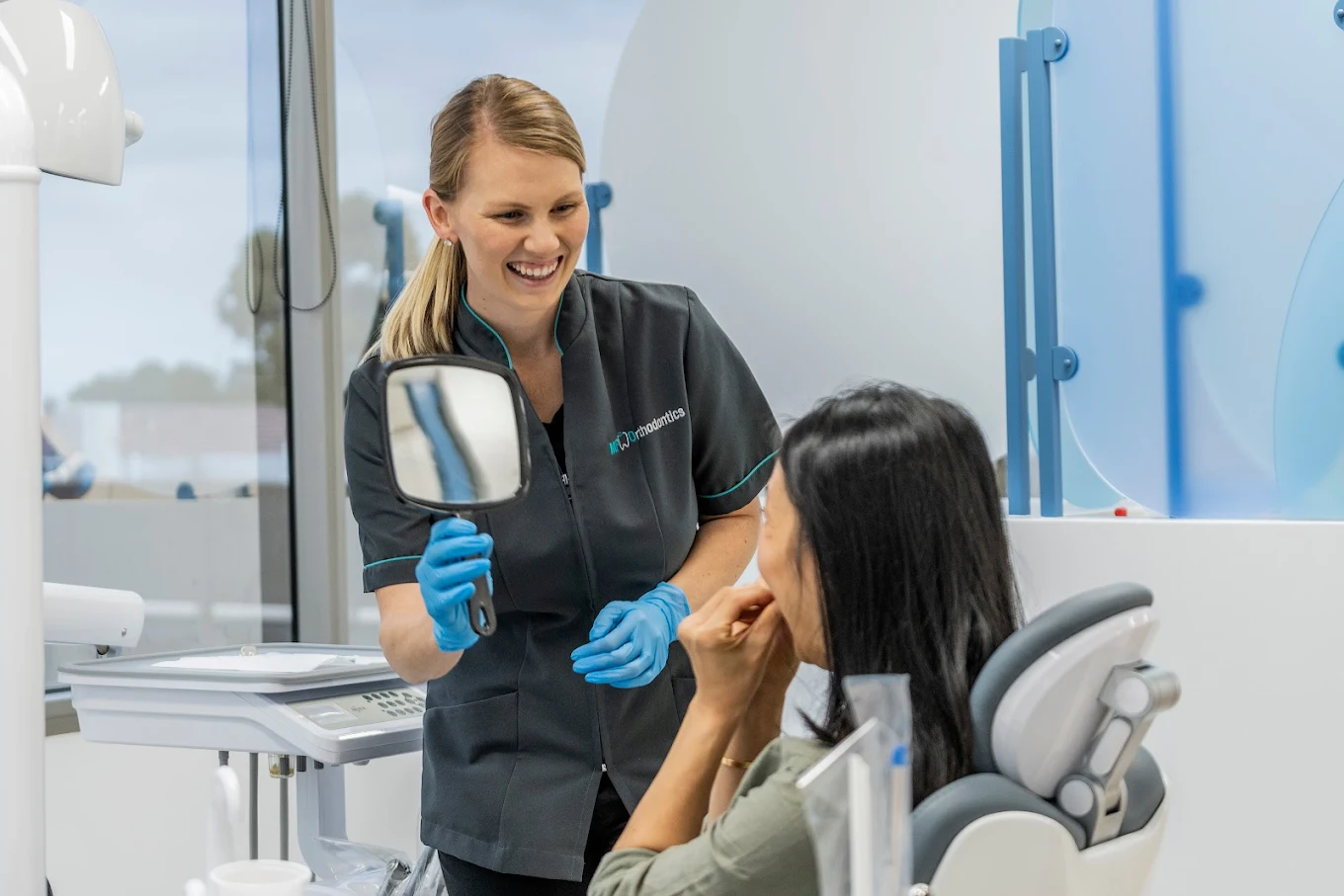
Often, the purpose of an early visit isn’t to start treatment, it’s simply to monitor growth and development, providing a basis for future intervention should it be required.
The Australian Society of Orthodontists recommends children have their first orthodontic assessment around age 7.
This doesn’t mean your 7-year-old is going to be fitted with braces. In fact, most children don’t need immediate treatment.
An early childhood orthodontic assessment allows us to:
For many parents, seeing an orthodontist is often reassuring. It’s the best way to gauge whether your child’s gap in their teeth is simply part of growth – or something which could become a concern.
Free Children’s Orthodontic Consultatations
If your child is under 18 and has a current Medicare card, they could qualify for a complementary consultation. These consultations are designed to be an initial step in understanding your child’s teeth, jaw structure and overall development.
It’s a non-invasive assessment of what’s normal, what’s temporary, and what (if anything) needs attention.
With tailored professional advice, you and your child will have assurance and peace of mind – understanding more about their teeth and development, as they continue to grow.
The Bottom Line: Are Gaps in Children’s Teeth Normal?
In most cases, yes – gaps in baby teeth are completely normal and often a healthy sign of growth.
Children’s jaws grow at different rates. Adult teeth erupt in stages. What looks concerning at one age can resolve naturally at the next.
If you’re ever unsure, a professional opinion provides clarity and peace of mind.
An early orthodontic assessment is simply about understanding your child’s development – not committing to treatment.
If you’ve noticed a gap between your child’s teeth and would like reassurance, contact us to discuss a complementary consultation.
Book a consultation with MP Orthodontics to begin your orthodontic journey.

Monday to Friday: 8:00 am - 5:30 pm
Saturday & Sunday: Closed
Copyright © 2026. MP Orthodontics. All rights reserved.